

By Oliver Parker
In recent weeks, several national economic indicators have painted a complex picture: while the U.S. economy continues to grow, everyday challenges—namely inflation, gas prices, and wavering consumer sentiment—are provoking concern among Americans and prompting responses at the policy level.
Consumer Confidence Slips, Inflation Pains Multiply
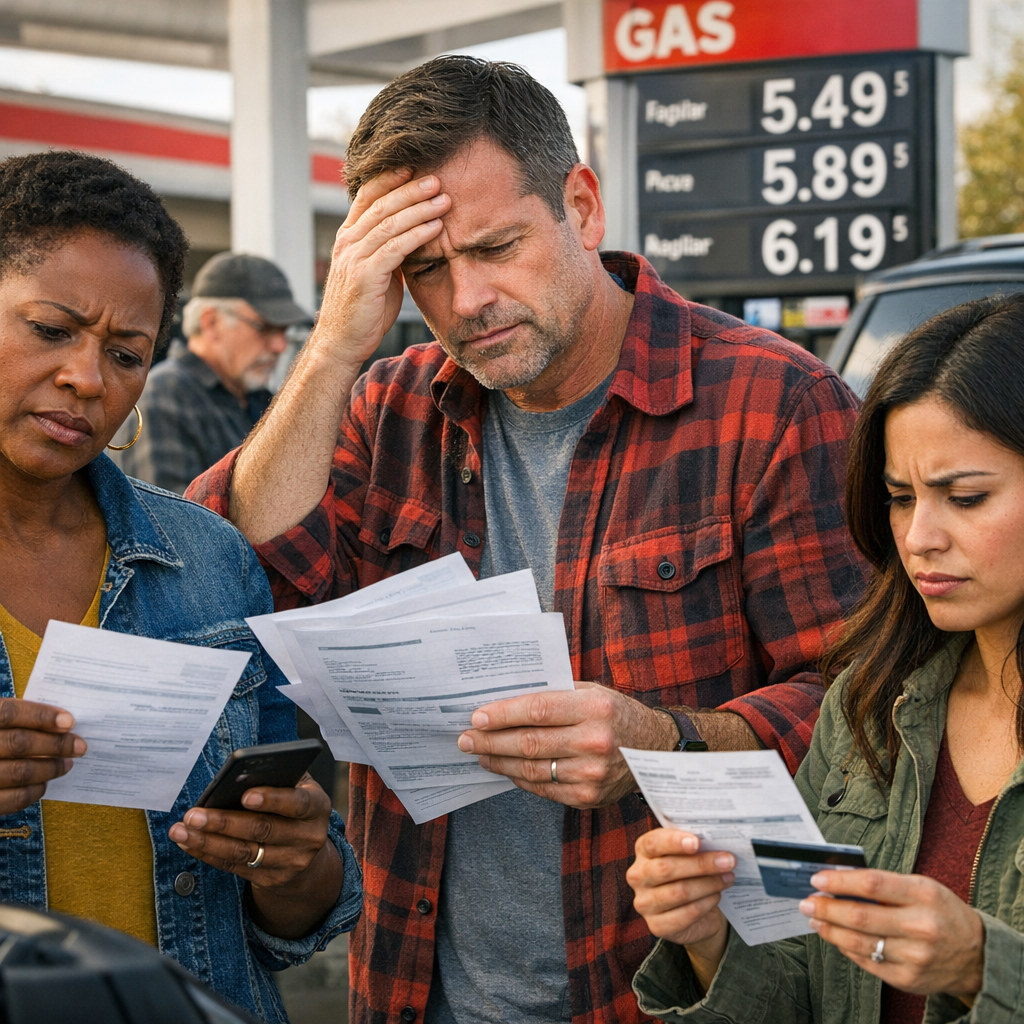
Data shows Americans’ confidence in the economy has dropped to its lowest in months. Persistent inflation—particularly in energy costs—has played a major role, with gasoline prices staying above US$4 per gallon even as federal efforts seek to ease the burden. As costs rise, households are feeling squeezed, weighing decisions on spending versus saving more heavily. (Recent survey results indicate the lowest consumer confidence levels seen in roughly seven months.)
Growth Remains, But Stress Tests Persist
Despite headwinds, economic growth continues, though unevenly. The first quarter saw real GDP expanding at an annual pace of about 2.1%, roughly matching growth in previous periods. But growth has been supported unevenly—sectors sensitive to interest rates are under pressure, and wage gains after adjusting for inflation have remained modest. For many, the rising cost of essentials is outpacing income growth.
Policy Moves & Political Responses
Policymakers are closely watching the data. Inflation’s persistence amid energy price volatility has sparked debates over stimulus or relief measures, especially for low- and middle-income households. Meanwhile, actions at the federal level—ranging from tax policy to regulatory adjustments—are being considered to soften the impact of inflation without triggering overheating.
Partisan lines are not far behind. Inflation has become a central talking point in political campaigns and policy arguments. How serious it is seen to be often depends on how voters are affected—and many are already paying attention.
What to Watch Going Forward
- Energy costs, especially gasoline rates, and how their fluctuations translate to broader inflation.
- Wage growth relative to inflation—how do real incomes change over time?
- Federal policy reactions, especially any relief measures or stimulus targeted at areas most affected by rising prices.
- Consumer behavior—will spending continue or contract as costs bite?
For Snowmass Village and beyond, these trends will matter. Local economies tied to tourism, outdoor recreation, and energy costs will see ripple effects from what happens in the national economy. Watching national signals isn’t just for economists—it has real impact on local lives.
— Oliver Parker